
CLASS DESCRIPTIONS
We are privileged to share a wide variety of styles, each with their own history, techniques and culture.
A note on “Hip Hop” vs “Choreography” / “Commercial” classes:
At Mad Dance House, we separate “Hip Hop” from classes such as “Choreography” or “Commercial” that often include Hip Hop influences but do not focus on the foundations and culture of the style.
This is in the interest of teaching with authenticity in order to empower our students. All of our classes, no matter the style, are taught by industry and community leaders - you are in good hands! To learn more about the difference between Hip Hop, “Choreography”, and other classes, read on below.
-
Hip hop is a cultural movement, which includes a lot more than dance. Hip Hop originated in the 1970s in the Bronx, New York - but its roots can be traced back to many other cultural movements.
An early catalyst was DJ Kool Herc’s famous party in 1973, where he extended the ‘break’ section of the songs (percussive/instrumental breakdown section) using two turntables - a technique that was further developed by other Hip Hop pioneers such as Grandmaster Flash and Afrika Bambaataa.
5 ‘pillars’ of Hip Hop soon developed:
Emceeing (Master of Ceremonies, rap)
Breaking/bboying and bgirling (commercialised as ‘breakdance’)
Writing/Graff (‘Graffiti’)
Deejaying (DJing, turn tabling)
Knowledge (Historical understanding of the movement)
There is so much more to this culture and history, click here to dive deeper!
“What will I learn in a Hip Hop class?”'In Hip Hop classes, you can expect to learn foundations and grooves such as bounces, rocks, skates and rolls, along with party dance steps and technical drills. You’ll also learn to freestyle and apply your skills socially - it’s heaps of fun!
In the studio context, we separate this type of Hip Hop dance that developed alongside Breaking, though the latter remains the original Hip Hop movement. -
The original Hip Hop dance (see “hip Hop” above), Breaking, commercialised as “Breakdancing” is a dynamic style that is thriving to this day.
In Breaking classes, you will learn fundamental techniques including:
Top rock
Go downs
Footwork
Freezes
Transitions
Power moves
You will also get the opportunity to discover and dive deeper into the vibrant Hip Hop culture that Bboys & Bgirls represent.
There is a lot more to this style than the athleticism it is commercially known for - try a class and get rocking!
-
Litefeet is a dance style from Harlem, NY that evolved from Hip Hop in the early 2000s. Based on having 'light feet', Litefeet primarily uses footwork and style specific rhythms to deliver character and 'spank'.
The style has been innovated through building systems around the foundational dances within the style such as Tone Wop, Chicken Noodle Soup, Bad One, Rev Up and Lock In.
This high-energy and highly entertaining style has taken over the world and if you try a class, you’ll see why. Come “get lite”!
-
House is a street dance style born from House music.
There are no strict rules that dictate which movements qualify as “House Dance” - rather, it is about freedom, improvisation and feeling the music.
House is heavily influenced by a variety of styles such as Tap, Jazz, Latin dance, African dance and Capoeira. There are, however, a number of moves that have been established as House dance foundations - these often consist of grooves and moving your legs and feet in various tempos.
You can expect to improve your grooves and footwork in this class. As a club and social dance style, freedom of movement and expression is key - you’re sure to fall in love with this style!
-
Krump was created by Ceasare "Tight Eyez" Willis and Jo'Artis "Big Mijo" Ratti in Los Angeles during the early 2000s.
Krump stands for Kingdom Radically Uplifted Mighty Praise. It created by “Tight Eyez" as a way to let out raw emotion, connect with faith, and build a strong community.Krump is known for its explosive and highly expressing movement, the foundation of which is built on key techniques:
Stomps: Grounding yourself and hitting the floor with every step to release your energy.
Chest Pops: Explosive, powerful releases of energy from your core.
Arm Swings: A combo of flow and strength to add force to your movements.
Jabs: Quick, sharp, and powerful punches that give Krump its aggressive, hard-hitting feel.
Krump will uplift you and introduce you to a whole new community and approach to dance.
-
Originating from the 1970s in the gay clubs of Los Angeles, Waacking is characterized by intricate arm movements, posing and performance, all set to the pulsating beat of disco music. It is not just about hitting the moves, but also about owning them with charisma and attitude.
In each exhilarating session, you will be guided through the fundamentals of Waacking, emphasising technique, musicality and personal flair. Participants will delve into the history of waacking, learning about its cultural roots and evolution. The class will alternate from improvisational/freestyle Waacking methodologies and choreography, encouraging students to embrace their creativity and to unleash your inner self.
-
Popping is a street style which predates Hip Hop and has its own distinct history and foundations.
Popping is however generally considered to be a part of the ‘Hip Hop umbrella’ due to the cultural closeness between the two.
An extremely eye catching, crowd pleasing style of dance, Popping is a party dance from the 60’s and 70’s.
Popping is based on the technique of quickly tensing and relaxing the muscles to cause a jerk or ‘pop’. Popping can be concentrated to specific body parts and be very rhythmic. Related styles include Animation, Boogaloo, Robot, Strobing and Gliding, to name a few.
This class will give you the basic skills needed for a strong foundation in Popping. You'll learn the basics of Popping and related styles - hits, grooves, weight transfer, boogaloo, animation, waving, robot, gliding and many more.
-
Whilst this is not a “style”, this is a popular class we offer that will benefit dancers of all backgrounds, particularly street dancers interested in Hip Hop, Krump, Popping and Animation.
-
This Afro dance class will make you travel around Africa. The class will combine different afro styles such as Afro-house, Ndombolo, Amapiano and many other afro dance styles, making it an Afrofusion class.
Afro dance is all about happiness, culture, tradition and laughter. Come experience a taste of the African vibe in this Afro Fusion class.
-
Dancehall was born in the inner city of Kingston, Jamaica in the late 70s. It manifests itself in many ways and is passionately expressed through music, dance, language, fashion, food and is deeply connected to the culture of the people.
You will be introduced to the various styles of this expressive, energetic and feel-good dance, from the fun popular party dances, impressive Dancehall Queen moves, smooth like butter grooves, to the more dynamic steps of today.
-
In dance, the groove is the natural rhythm your body expresses when it connects with music. It is the continuous physical reaction to the music, such as a head nod or body bounce and serves as the foundation for your movements.
This class is focused on moving your body, building coordination, listening to the music and having fun doing so.For those people who have gone out wanting to dance, but felt like they lacked confidence to do so - this class is for you! Learn some basic steps and build your basics whilst having a blast. This is also a fantastic way to build foundations in street dance styles such as Hip Hop and House, particularly if you have never danced before.
If you are totally new to dance, start with grooves - you will surprise yourself!
-
Choreography classes can draw from a wide range of dance styles, including street dance, but also genres such as Contemporary or Jazz. Some choreographers draw most of their influence from a single style such as Hip Hop, for example, while others explore fusions between different genres.
Ultimately, the routine you learn in this class will depend on the choreographer’s own style, experience and interpretation of the music (that’s what makes it so fun)!
What is “Commercial” Choreography?
The choreography for commercial dance is typically used for concerts, music videos, television shows, movies, and others. Whilst this is a broad umbrella, certain classes which focus on the above will sometimes be labelled “Commercial”.
If you love the feeling of picking up and mastering choreography, you will love these classes!
-
Heels is a feel good, sensual, fun and sexy class that will leave you empowered and confident. This class is done in high heels (preferably stilettos for experienced dancers) that incorporates genres of Commercial, Jazz and Hip Hop. Be open to building your confidence, performance, technique and lines in the class!
If you are new to dancing in heels, please make sure that you are comfortable walking and moving in them before wearing them in class. Choose a pair of heels that is thicker, lower and offers ankle support. Please start with the Absolute Beginner classes and Intro Courses before progressing to the more advanced sessions.
Beginners are also encouraged to attend foundational Jazz, Choreography and Ballet classes to build transferrable skills for dancing in a Heel.
-
Kpop (Korean Pop) dance is choreography to Kpop music. Kpop dance groups perform choreography that draws from many different styles of dance, including Hip Hop and Commercial dance.
In this class you will learn choreography to the latest hits from trending South-Korean pop groups, focusing on charisma, performance, and having a fun time! Some prior dance experience is expected for this class - we suggest attending Absolute Beginner Choreography and Hip Hop classes and courses if you need to build your basics.
If you've ever wanted to experience the vibe and hype behind KPOP, come and take this class!
-
Come learn the foundational steps of Samba no Pé, get fit and have a party!
Samba no pé means "samba on the feet", which is a solo dance that originated in the favelas of Brazil.
It is characterised by fast footwork & slides, sexy hip movements & a rigid upper body.
In this class the focus will be on strengthening & cardiovascular fitness while learning the foundational basic movements & steps of this joyful high energy dance style.
-
“Although jazz dance is thought to be as American as apple pie, its roots are in Africa.”
Read more: A Brief History of JazzWe offer a variety of Jazz dance disciplines here at Mad Dance House, primarily focused on modern Jazz, Theatre Jazz and Commercial Jazz.
JAZZ
After a warm up, you will work on Jazz technique in this class before incorporating it into a routine, which may vary between modern, commercial and theatre Jazz influences.
Jazz is a fantastic style to build your strength, technique and coordination and is highly regarded in the commercial industry. The variety in this class will keep you on your toes!
JAZZ TECHNIQUE
A class specifically focusing on learning and training Jazz technique, includings kicks, jumps and turns. These types of steps are comparable to tricks for dancers and therefore it is important to execute them cleanly and correctly.
It feels amazing to nail these moves and is the closest feeling you’ll get to flying!
COMMERCIAL JAZZ
A sharp and energetic style of dance. The routines you will learn in this class are similar to what you will see in music video clips or supporting your favourite artists on tour.
THEATRE JAZZ
In this class you will explore the elements of storytelling through your performance and musicality. Think clean Jazz lines/technique, broadway musicals, elements of the greats Fosse, Cole, Bennett, Robbins with a a zest of cabaret in a heel or can can boot if you wish! (No heels are required).
Students can expect an encouraging and fun environment, starting with a stylised Jazz warm-up, followed by some across the floor technique, and finishing with choreography making you leave feeling more confident, powerful and with a smile on your face!
MUSICAL THEATRE JAZZ
After a technical Jazz warm up you will learn similar routines to those you would see in shows such as Fame, West Side Story and Chicago. This class is heaps of fun and will transport you to the big stage!
CABARET/SHOWGIRL
Cabaret combines Ballet, Jazz and Musical Theatre elements while incorporating the showgirl technique of dancing in heels. The choreography is created to entertain audiences with slick, sharp and stylish movements with some added cheek to it.
Cabaret will train you to showgirl walk, execute movements and add character to your dance. Every week you will get a different style of cabaret, from an upbeat jazz fusion to a more classical showgirl class.
-
Ballet is a formalised form of dance with its origins in the Italian Renaissance courts of 15th and 16th centuries. Ballet spread from Italy to France with the help of Catherine de' Medici, where it developed further under her aristocratic influence.
Classical ballet provides a great grounding for all other dance styles and Ballet is the ultimate when it comes to the control of your body. It is easy to begin at any age and will help improve pretty much every aspect of your body’s fitness including posture, muscle tone, flexibility, core strength and even your artistic expression.
-
Pointe class is suitable for anybody who wishes to commence Ballet Pointe for the first time or continue working on their fundamental technique. You will need to bring along your own pointe shoes which have been fitted specifically for you.
This class begins like a ballet class at the barre with the fundamentals of pointe work (and pre-pointe work) including technique, placement, balance and strength building. You will learn rises, releves and pointe specific exercises that strengthen the feet and lower legs ready for turns, jumps and for dancing proficiently en pointe.
As the class progresses into the centre, exercises focus on balance and confidence building en pointe or demi pointe. More advanced dancers have the opportunity to extend their technique into more complex pointe exercises including turns and repertoire-like combinations while dancers who are not yet en pointe have the chance to work on strength and technique for turns, jumps and ballet combinations that are relevant to regular ballet classes.
-
Contemporary dance blends elements of multiple dance styles and lets dancers express emotions through movements and breath.
Contemporary is an expressive dance form with a free, artistic and creative feel. Contemporary draws a lot of its technique from classical ballet but unlike ballet, it often focuses on floor work and dancers will usually perform with bare feet.
Principles of contemporary dance include centering, alignment, gravity, contraction, release and suspension.
In this class you will be often be doing Contemporary moves to modern music. Great fun!
-
Tap dance is a style of dance in which a dancer wearing shoes fitted with heel and toe taps sounds out audible beats by rhythmically striking the floor or any other hard surface.
Tap dance is an art form that has been around since the seventeenth century but did not emerge as a well-known form of dance until the nineteenth century. In the United States, the dance emerged as an amalgamation of different ethnic dances, such as Irish jigs, African American Juba dance, Scottish step dancing, and English clog dancing. Originally, early tap shoes had pennies or nails attached to them to make the signature tapping sound.
Tap dancing became a signature of traveling minstrel shows post-Civil War, and by the twentieth century, was a prominent staple in Vaudeville acts. In the 1930s, tap dancers would gather at the Hoofer’s Club in Harlem, practicing steps and competing in dance competitions. Though tap dance declined in popularity by the 1950s, it influenced a new style of movement known as jazz dance. Today, many dance studios teach Tap classes to young dancers.
Read more here -
Need a good stretch after sitting all day? This class will give you a full body stretch that your body will love you for.
Regular stretching helps increase your range of motion in the joints, improves blood circulation and posture and alleviates muscular tension throughout the body. It goes without saying that this will support your dance progress!
Mad Dance House offers a variety of classes that will work on your flexibility, including:
Stretch
Flexiblity
Yoga
“Yogalates” (Yoga/Pilates)
-
Mad Dance House offers Mat Pilates sessions to improve dancer core and full body strength, flexibility, coordination and longevity in dance.
Pilates is a low-impact, mind-body exercise method that builds core strength, flexibility, and muscle control. It focuses on precise movements, deep breathing, and proper postural alignment to tone the whole body.
FOLLOW OUR INSTAGRAM TO SEE OUR CLASSES IN ACTION!
@maddancehouse
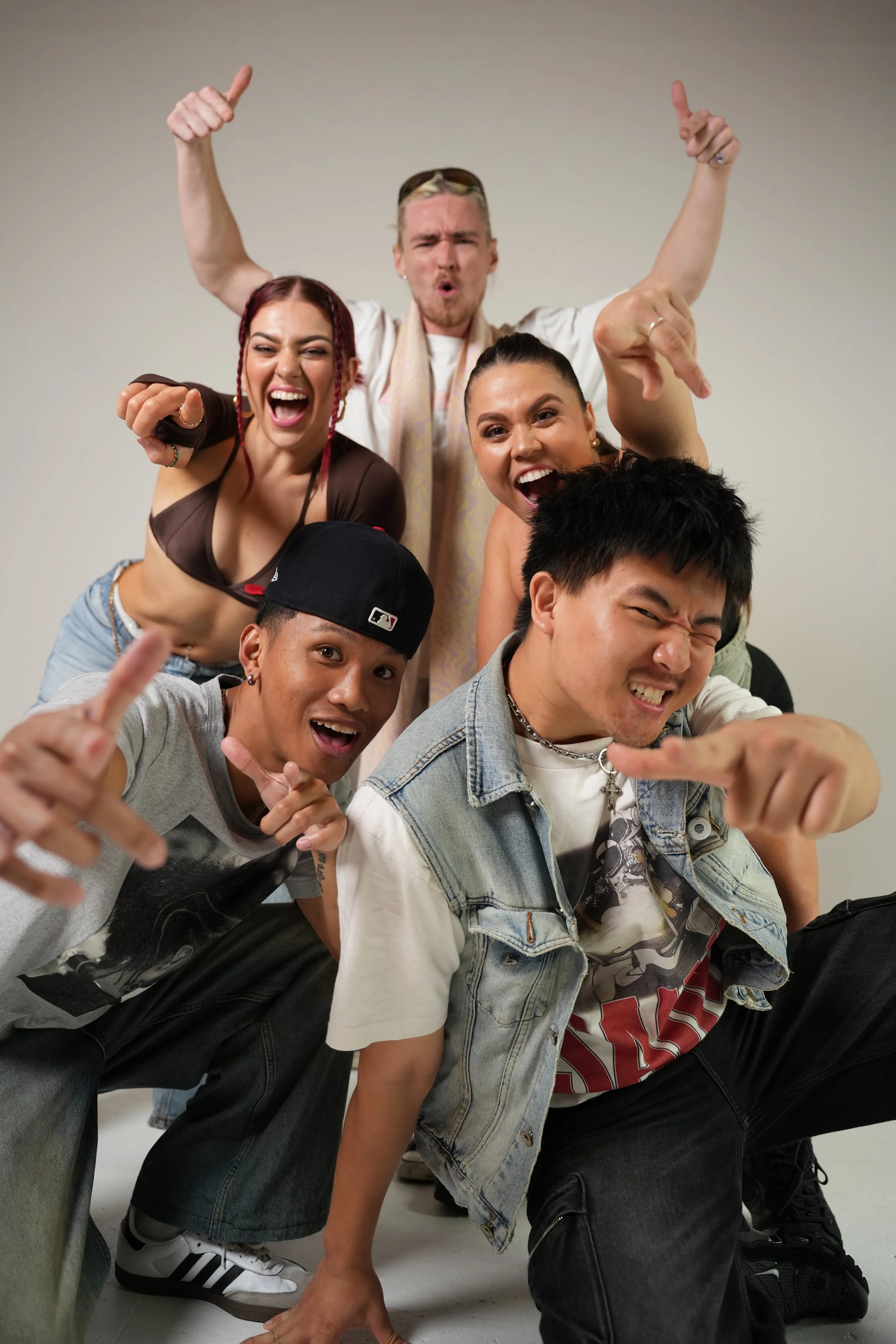
Photo: Janna Imperial
Featured: Danica McKenzie, Clarence Kent, Anna Johnston,
Glen Reyes, Wisdom Luu